Invisalign for Kids: Why a Pediatric Specialist Matters
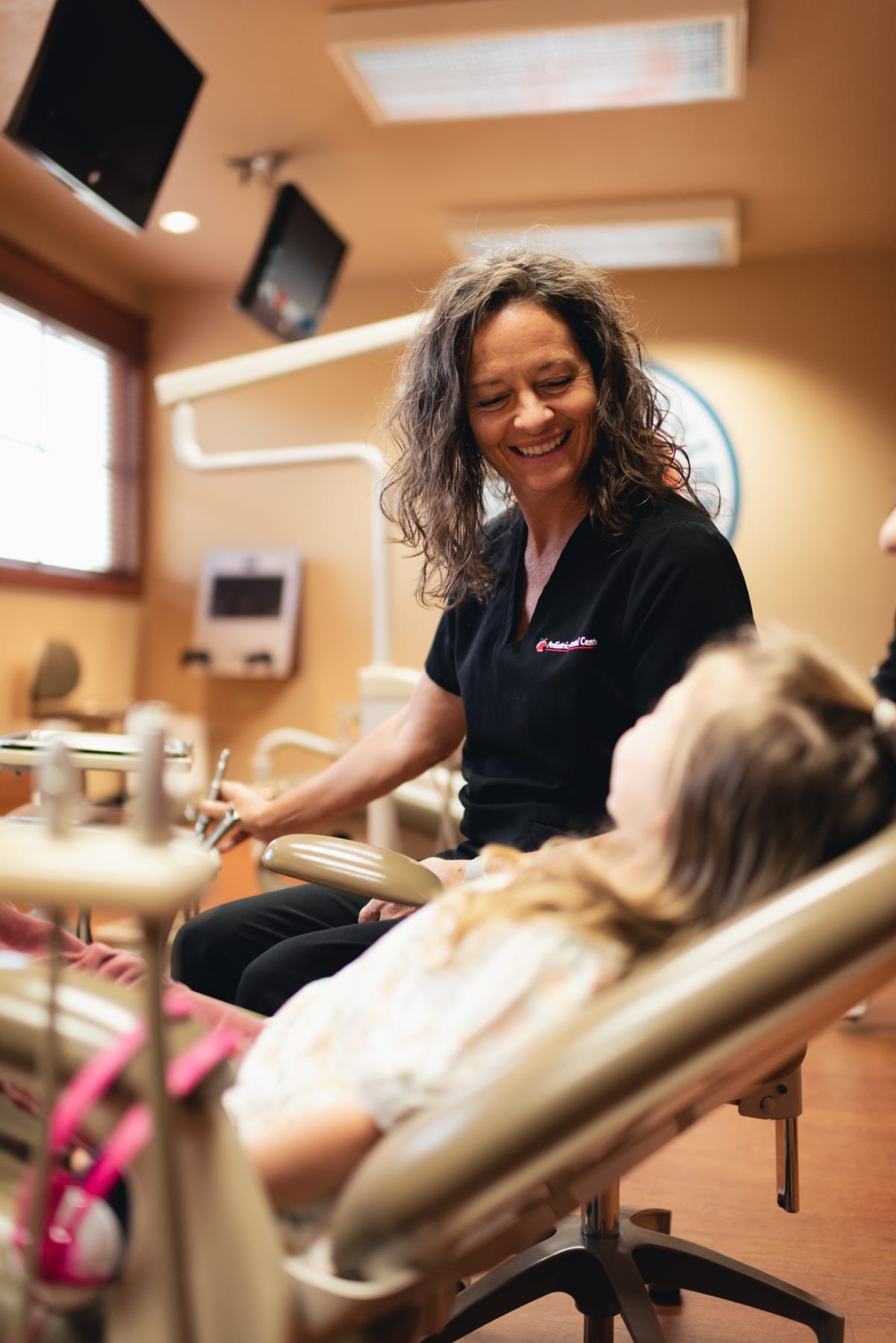
Invisalign for Kids and Teens in Coeur d'Alene, Guided by a Pediatric Specialist

Does it matter who plans your child's Invisalign? When a child is still growing, the teeth you see are only one piece of a bigger picture. Dr. John and the team at Pediatric Dental Center of North Idaho shape aligner treatment around the whole child, looking at how the bite, jaw, breathing, and growth fit together before we talk about moving a single tooth.
Maybe you've noticed crowded teeth, the way your child breathes at night, grinds in their sleep, or seems uncomfortable when they bite down. Whatever brought you here, we'll help you sort out what's going on and whether aligners are the right tool.
Want to talk it through first? Call us at (208) 667-3556, no booking required.
Quick Takeaways
- Invisalign Teen is made for mouths still changing, where permanent teeth may keep arriving partway through treatment.
- Care here is led by a board-certified pediatric specialist who works only with kids and teens.
- We plan with airway and bite function in mind, not just how a smile looks.
- An early evaluation tells you whether treating now or waiting gives the better long-term result.
- Your first step is a hands-on evaluation. Bring your questions; you'll leave with a clear picture.
How Treatment Works, Step by Step
Nothing here happens in a rush, and you'll know what's coming at each stage.
- The evaluation. We look at how your child's teeth, jaw, and airway are developing together, and whether aligners make sense right now.
- The plan. If aligners fit, we map out the movements the teeth need and tailor everything to how your child is growing.
- The fitting. Your child gets their first trays plus hands-on coaching, so they're wearing them correctly from day one.
- The check-ins. Short scheduled visits let us swap trays, track progress, and watch how the jaw and bite respond.
- The finish. Once teeth reach the right spot, we walk you through how to keep them there.
Through all of it, we're watching the pieces that connect: jaw growth, breathing, and how the bite is coming together.
What Aligners Can Do for a Growing Child

Straight teeth are the obvious win, but for a kid they're rarely the most important one.
- A bite that works. Teeth that meet correctly chew better and put less strain on the jaw.
- Support for healthy breathing. Along with an airway-focused plan, alignment can support how your child breathes day and night.
- Easier cleaning. Straighter teeth are simpler to keep clean, which means fewer cavities down the road.
- Less daily fuss. Removable trays slip into a kid's routine instead of fighting it.
- Confidence that sticks. How a child feels about their smile matters, and we don't take that lightly.
- Results that hold. Treatment timed to a child's growth tends to settle into more stable outcomes.
Is Your Child a Candidate?
Candidacy has far more to do with development than with age. A few things we weigh:
- Where the permanent teeth are in the eruption process
- How the jaw is growing and how the bite is coming together
- Airway and breathing considerations
- Whether guiding growth early beats waiting
Aligners aren't right for every child. Some bites or jaw concerns do better with a different approach, or with growth guidance first and alignment later. When that's the case, we'll say so plainly and walk you through what we'd suggest instead.
How Invisalign Teen Differs from Standard Aligners
Aligner systems aren't all the same, and the difference matters. Standard treatment requires a full set of erupted teeth. The teen version assumes the opposite: some permanent teeth may still arrive partway through. Those trays leave room for the teeth still on their way, so a plan doesn't fall apart because a tooth showed up late.
The teen trays also carry small wear indicators, little blue dots that fade as they're worn. They give you and our team an easy way to see whether the aligners are actually going in, and for a teenager, that gentle accountability makes a real difference.
Kids lose things, too. The teen program plans for replacement trays from the start, so a missing one doesn't stall everything.
Timeline and What to Expect
Every case runs on its own clock. How long treatment takes depends on how much movement is needed and how consistently the trays get worn each day.
- First visit: the evaluation, where we figure out the right path forward.
- Getting started: records, planning, and the first set of trays.
- Active treatment: trays change on a regular schedule, with brief check-ins to confirm everything's on track.
- Wrapping up: a plan to hold the new position in place.
Because we're working with growing kids, some visits do double duty, keeping an eye on how the jaw and airway are maturing as treatment moves along.
Preparing for Treatment and Caring for the Result
Before an evaluation, there's not much to do. Gather your questions and anything you've noticed about your child's sleep, breathing, or past dental work. Once treatment is underway, the day-to-day is simple:
- Wear the trays the recommended hours, taking them out only to eat and brush.
- Brush before popping the trays back in, so food doesn't get sealed against the teeth.
- Rinse and store the aligners in their case, never wrapped in a napkin.
- Keep up with regular cleanings and checkups during treatment.
When treatment wraps up, we'll share simple aftercare instructions so your child's new smile stays comfortable and healthy.
Cost, Insurance, and Financing
Wanting to understand the cost before you book is completely reasonable. The honest answer is that it varies, because every child's needs and treatment length are different. We go over all of it during the consultation and give you a clear estimate before anything starts.
Plenty of dental plans include orthodontic benefits, and families are often surprised by how much coverage they already have. Our team helps you read your plan so you know what it does and doesn't cover. If you'd like more flexibility, we can talk through payment options that spread treatment into manageable monthly amounts.
Cost shouldn't be the thing that keeps a child from care that could change how they breathe, sleep, and grow.
Why Families Choose Us

Dr. John is a second-generation pediatric dentist and a Coeur d'Alene native, with more than 20 years spent working exclusively with children and teens. He's a Diplomate of the American Board of Pediatric Dentistry with advanced training in growth, development, and airway-related issues, and a member of the Spokane Cleft Palate Team. That's why alignment here gets evaluated right alongside breathing and jaw development.
We use cone beam and digital imaging to see how the jaw and airway are developing, along with airway assessment tools most general offices don't keep on hand. Our approach is conservative and whole-child by design: we'd rather get to the root of an issue than hand every child the same template.
Many parents come to us after researching what can go wrong when orthodontic treatment focuses only on straight teeth — kids who finish treatment but still struggle with sleep, or whose bite issues linger into adulthood. They want something different for their child from the start, and that's exactly what we're watching for. Families across North Idaho tell us their kids actually look forward to coming in. You can read more about what makes our approach different or meet Dr. John.
Frequently Asked Questions
How do I know if my child needs aligners now or should wait?
An evaluation measures where the permanent teeth are in the eruption process, how the jaw is growing, how the upper and lower teeth meet, and whether the palate is wide enough to give the tongue room. Those details tell us whether starting now or a little later sets your child up for the better result.
Why does it matter that a pediatric specialist handles this instead of a general dentist?
A specialist can catch things tied to a child's stage of growth, like a narrow palate crowding the tongue or a developing crossbite, and time treatment to that growth rather than waiting until the teeth have fully come in.
Can my child play sports or instruments with aligners in?
Yes. The trays come out for contact sports or playing an instrument, then go right back in. The rest of the day, they just need to wear them the recommended hours.
What happens if a tray gets lost or broken?
No need to panic. The teen program builds replacement trays into the plan for exactly this reason.
Does Invisalign for kids address airway and bite issues, or just appearance?
Depending on the case, aligner therapy can be part of a broader plan that supports bite function and healthy breathing. We look at treatment through the lens of your child's whole health.
Will my child have to wear a retainer afterward?
Holding the result is part of the plan. Once teeth reach their final position, we'll walk you through how to keep them there.
Let's Figure Out What's Right for Your Child
A consultation isn't a commitment. It's a chance to get a clear, honest read on your child's situation so you can decide with confidence.
Dr. John and the team will walk you through what we're seeing, answer every question without a sales pitch, and help you figure out whether aligners fit where your child is right now. Call us at (208) 667-3556 when you're ready, and feel free to see what a first visit looks like before you come in.
Connect with us
Call 208.667.3556 or request an appointment online to set up your first visit. We’ll be in touch soon.